Scientists now know why small dogs live longer
Share
As the owner of a rather large dog, I've always been conscious that Rufus probably won't live as long as some of his smaller friends. It's one of the few disadvantages of having a big dog, and something I generally prefer not to think about. But some fascinating new research has shed light on why larger dogs age more quickly, and it could eventually help us find ways to keep them healthier for longer.
The research, published in Science in October 2026, reveals that larger dogs show signs of faster ageing at a molecular level. It also raises interesting questions about what happens to our dogs' DNA as they get older, and how diet might help support healthy ageing.
Why do larger dogs age faster?
We've known for years that smaller breeds generally outlive larger ones. A Chihuahua might live for 15 years or more, while a Great Dane's life expectancy is often around seven to ten years. But scientists haven't fully understood why.
Researchers analysed 1,640 blood samples from 894 dogs, examining chemical markers attached to their DNA. These markers are part of a process called DNA methylation, which helps regulate which genes are active and which remain switched off.
Methylation patterns change as dogs age, and researchers found that larger dogs lose certain protective markers more quickly. These markers normally help control so-called 'jumping genes', sections of genetic material that can move around the genome and potentially disrupt normal cellular functions.
The findings suggest that larger dogs experience some aspects of biological ageing faster than smaller breeds, providing a new clue to their shorter lifespans.
Can diet help protect a dog's cells and DNA?
One particularly interesting area of research concerns the relationship between diet, cellular damage and ageing.
As part of normal metabolism, dogs produce reactive molecules known as free radicals. When these overwhelm the body's natural defences, they can cause oxidative stress, damaging cell membranes, proteins and even DNA. Over time, accumulated oxidative damage is one of several processes associated with ageing.
This is where antioxidants come in. Found naturally in many foods, antioxidants help control excessive free radicals and support the body's protective mechanisms. There's research specifically involving dogs, too. A study published in the Journal of Nutrition examined an antioxidant-enriched diet over 16 weeks and found improvements in antioxidant status alongside reductions in measured DNA damage.
Other dietary compounds, including vitamins B12, folate and C, are involved in the processes that regulate DNA methylation. However, there's currently no evidence that providing additional amounts can reverse the particular methylation changes identified in larger dogs or extend their lifespan.
Why whole-food ingredients matter to us
This research reinforces our interest in the benefits of carefully chosen whole-food ingredients, many of which naturally contain compounds that support cellular health.
For example, broccoli and pumpkin in The Veggie One contain plant compounds with antioxidant properties, while reishi and lion's mane mushrooms contain compounds being investigated for their potential health benefits.
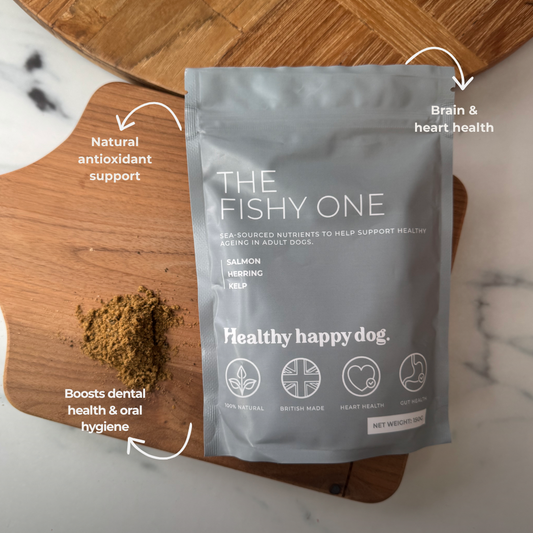
The Fishy One combines salmon and herring, rich in omega-3 fatty acids, with kelp, a source of antioxidant polyphenols. Meanwhile, the beef liver in The Meaty One provides essential B vitamins involved in normal cellular functions.
We can't claim these ingredients will alter a dog's DNA or slow biological ageing. However, they illustrate why we believe whole-food supplements can be a valuable addition to a balanced diet, supporting different aspects of health as dogs get older.
More good days
The latest research could eventually help scientists develop new approaches to healthy ageing. For now, much of what we can do for our dogs remains reassuringly familiar: keep them active, maintain a healthy weight, provide a balanced diet and ensure they receive appropriate veterinary care.
Rufus isn't going to get any smaller, and his genetics will always influence how he ages. But there are plenty of things we can do to help him stay healthy, active and happy for as long as possible.
That's why we started Healthy Happy Dog. We want more time with our dogs, and we want that time to be full of walks, adventures and all the other things they love. More good days, for as many years as we can manage.