How to keep your dog hydrated in hot weather
Share
We’re in the middle of heatwave number five and, like every dog, Rufus doesn't understand the concept of drinking in preparation for a hot day. He'll happily have a drink when he's thirsty, but explaining that he might want to get some extra water on board before the temperature climbs isn't really an option. So we've started cheating.
When it's particularly hot, we add plenty of water to his meals. Rufus might not voluntarily drink a bowlful of water at breakfast, but pour that same water over his food and he'll happily lap up every last drop to get to his dinner.
Why water matters
Water is essential to almost everything your dog's body does. It helps transport nutrients around the body, supports digestion, lubricates joints, cushions organs, removes waste and plays a crucial role in regulating body temperature. That last job becomes particularly important in hot weather.
Dogs don't sweat across their bodies in the way we do. Instead, one of their main methods of losing excess heat is panting. As air passes rapidly over the moist surfaces of the mouth and tongue, water evaporates and helps cool the body. The hotter your dog gets, or the more they exercise, the harder that cooling system has to work. And that means water becomes even more important.
Will dogs just drink when they need to?
For most healthy dogs, thirst does a pretty good job of telling them when they need a drink, so there's no need to spend the summer chasing your dog around with a water bowl. However, hot weather, exercise and increased panting can all increase water loss, so it makes sense to give them plenty of opportunities to drink rather than simply waiting for them to seek water out themselves.
Diet also makes a difference. A dog eating wet food naturally consumes a significant amount of water with every meal, whereas dry food contains far less moisture. Older dogs and those with certain health conditions may also be more vulnerable to dehydration, while vomiting and diarrhoea can cause fluid loss particularly quickly.
How much should your dog drink?
There isn't one perfect amount that every dog should drink because requirements vary according to size, diet, activity, health and the weather. For most healthy dogs, it's more useful to make fresh water readily available and become familiar with their normal drinking habits.
A sudden unexplained increase or decrease in how much your dog drinks is worth discussing with your vet because changes in thirst can sometimes indicate an underlying health problem. That's also why obsessively measuring the water bowl probably isn't particularly helpful for most healthy dogs. What's normal for your dog matters more.
Easy ways to encourage your dog to drink more
Adding water to food is probably our favourite method because it is easy to do which makes it less likely that we’ll forget. If your dog eats dry food, adding some water also softens the kibble while increasing the amount of fluid they're consuming.
There are plenty of other simple things you can do:
- Keep several bowls around the house and garden so water is always nearby.
- Change the water regularly so it stays fresh and keep bowls out of direct sunlight.
- Take water with you on walks and offer it regularly when the weather is warm.
- Make water more tempting by mixing in your dog's normal daily serving of the Meaty One, with its beef liver and bone broth flavours.
- Offer small pieces of water-rich foods such as cucumber or seedless, rind-free watermelon, either fresh or frozen.
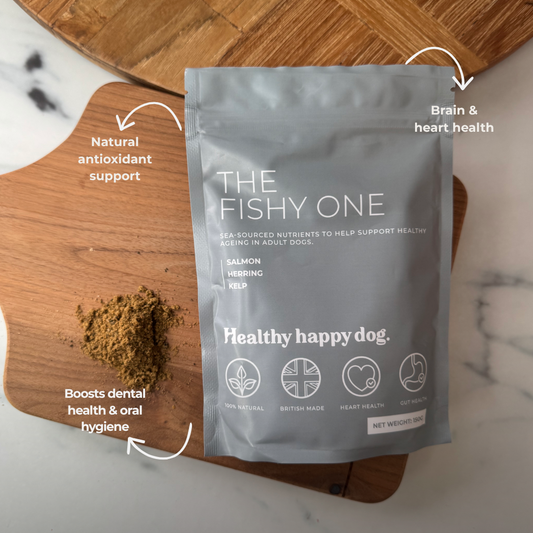
- Mix the Fishy One with water and freeze it into ice cubes for your dog to lick as a hot-weather treat.
- Add a few ice cubes to their water bowl if they enjoy them.
And remember to take water on car journeys too. A traffic jam on a warm day can quickly turn a comfortable journey into a much hotter one than expected.
How can you tell if your dog is dehydrated?
Dehydration simply means your dog is losing more water than they're taking in. Early signs can include lethargy, reduced appetite, panting and dry or sticky gums. More significant dehydration can result in sunken-looking eyes and reduced skin elasticity.
You may have heard of the "skin tent" test, where you gently lift some loose skin around your dog's shoulders and see how quickly it returns to its normal position. Well-hydrated skin should spring back quickly, while dehydrated skin may return more slowly. It's only a rough guide, however, particularly in older or wrinkly dogs.
If you're concerned your dog is dehydrated, particularly if they've been vomiting, have diarrhoea or seem unwell, contact your vet.
Hydrated doesn't necessarily mean cool
Perhaps the most important thing to remember is that drinking plenty of water doesn't protect a dog from overheating. Even a perfectly hydrated dog can develop heatstroke if they exercise too hard in hot weather or spend too long somewhere hot and poorly ventilated. On hot days, walk earlier in the morning or later in the evening, reduce strenuous exercise and make sure your dog always has somewhere cool and shaded to rest.
Once it gets to around 24°C it may be better to skip the walk altogether, especially for flat-faced breeds. Missing the occasional walk in hot weather won’t do you dog any harm, despite the sad looks they might give you.
Excessive panting, distressed or noisy breathing, drooling, red gums, vomiting, weakness, confusion or collapse can all indicate heat-related illness and need urgent attention. Current veterinary guidance is to start cooling an overheated dog immediately and contact your vet for advice.
Small habits make a difference
Most of us are already pretty good at making sure there's water in the dog's bowl. Hot weather is a useful reminder that we can be a little more proactive too. Fresh water around the house, a bottle on walks and some extra water mixed into meals are tiny changes, but they can all help keep our dogs properly hydrated when temperatures rise.
Rufus isn't complaining. As far as he's concerned, we've simply started serving his meals with a lot more gravy.